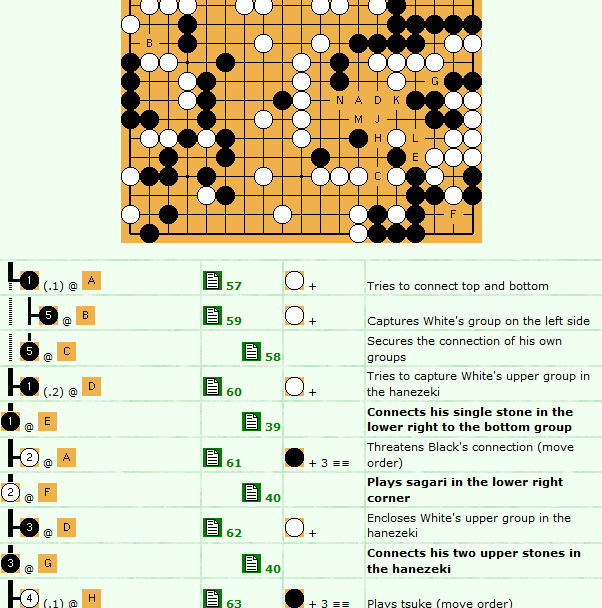
$$Wcm94 During the course of the published professional solution
$$ +---------------------------------------+
$$ | . . . . . . . . . . . 6 . . . . O X . |
$$ | . . . . . . . X O O . X O 5 . . . O . |
$$ | . . . . . X . O . . . X 4 . . 3 O . . |
$$ | . X O , . . . . . O . X . O O 2 . . . |
$$ | . . X X X X O O O . O X X . X X O O . |
$$ | . X . O O O X X X O . . X . X O . . . |
$$ | O O O O . X O O X X O O . O X . 7 1 . |
$$ | O X . X . X . O O X O . . . X X X X X |
$$ | O X . X . . . O X X O . X X X X O O O |
$$ | O O O 8 . X . O X O O X X O O O O X . |
$$ | X O O O X . . O X O . X O O O . X X X |
$$ | X X O O X . . O X O . X O O X X X O O |
$$ | X . O . X . . O X O . X O . O . X X O |
$$ | . O O X O X . O X O . X X O O O X O O |
$$ | O O X . . X . O X O X . O X X X O O O |
$$ | O X X , X . . O X O O O O X O X O O X |
$$ | O . . . O X . O X X X X X . O X X O X |
$$ | O . X . . . X O O O O O O X O X . O X |
$$ | . X . . . . . O . . . . O X X X . O . |
$$ +---------------------------------------+
- Click Here To Show Diagram Code
[go]$$Wcm94 During the course of the published professional solution

$$ +---------------------------------------+

$$ | . . . . . . . . . . . 6 . . . . O X . |

$$ | . . . . . . . X O O . X O 5 . . . O . |

$$ | . . . . . X . O . . . X 4 . . 3 O . . |

$$ | . X O , . . . . . O . X . O O 2 . . . |

$$ | . . X X X X O O O . O X X . X X O O . |

$$ | . X . O O O X X X O . . X . X O . . . |

$$ | O O O O . X O O X X O O . O X . 7 1 . |

$$ | O X . X . X . O O X O . . . X X X X X |

$$ | O X . X . . . O X X O . X X X X O O O |

$$ | O O O 8 . X . O X O O X X O O O O X . |

$$ | X O O O X . . O X O . X O O O . X X X |

$$ | X X O O X . . O X O . X O O X X X O O |

$$ | X . O . X . . O X O . X O . O . X X O |

$$ | . O O X O X . O X O . X X O O O X O O |

$$ | O O X . . X . O X O X . O X X X O O O |

$$ | O X X , X . . O X O O O O X O X O O X |

$$ | O . . . O X . O X X X X X . O X X O X |

$$ | O . X . . . X O O O O O O X O X . O X |

$$ | . X . . . . . O . . . . O X X X . O . |

$$ +---------------------------------------+[/go]
In the published professional solution,
W 94 occupies the guzumi-point at the right,
AFTER the Nakade Sequence at the left has been played to its very end.
Thereafter, Black reduces White's upper right corner by playing at
B 95 first, followed by the second push of
B 97, and the final sagari at
B 99.
W 100, and
B 101, start the mutual occupation of opponent's liberties in the Main Semeai.
$$Wcm38 Yamada Shinji's tsuke gains one point of territory in the upper left and ...
$$ +---------------------------------------+
$$ | . . . . . 6 . 7 . . O X O . . . O X . |
$$ | . . . . 2 1 3 X O O O X O O . . . O . |
$$ | . . . 8 5 X 4 O . . O X X O . O O . . |
$$ | . X O , . . . . . O . X . O O X O . . |
$$ | . . X X X X O O O . O X X O X X O O . |
$$ | X X X O O O . . . O . O X X X O . . . |
$$ | O O O O X X O O . . O O O O X O O O O |
$$ | O X X X . X . O O . O . . . X X X X X |
$$ | O X X X . . . O . . O O X X X X O O O |
$$ | O O O X . X . O . O O X X O O O O X . |
$$ | . O O O X . . O . O . X O O O . X X X |
$$ | X . O O X . . O . O . X O O X X X O O |
$$ | . O O X X . . O . O . X O . O . X X O |
$$ | O O O X O X . O . O O X X O O O X O O |
$$ | O O X . . X . O . O . O O X X X O O O |
$$ | O X X , X . . O . O O O O X . X O O X |
$$ | O X . . O X . O . . . . X . O X X O X |
$$ | O X X . 0 9 X O O O O O O X . X X O X |
$$ | X X . . . . . O . . . . O X X X . O . |
$$ +---------------------------------------+
- Click Here To Show Diagram Code
[go]$$Wcm38 Yamada Shinji's tsuke gains one point of territory in the upper left and ...

$$ +---------------------------------------+

$$ | . . . . . 6 . 7 . . O X O . . . O X . |

$$ | . . . . 2 1 3 X O O O X O O . . . O . |

$$ | . . . 8 5 X 4 O . . O X X O . O O . . |

$$ | . X O , . . . . . O . X . O O X O . . |

$$ | . . X X X X O O O . O X X O X X O O . |

$$ | X X X O O O . . . O . O X X X O . . . |

$$ | O O O O X X O O . . O O O O X O O O O |

$$ | O X X X . X . O O . O . . . X X X X X |

$$ | O X X X . . . O . . O O X X X X O O O |

$$ | O O O X . X . O . O O X X O O O O X . |

$$ | . O O O X . . O . O . X O O O . X X X |

$$ | X . O O X . . O . O . X O O X X X O O |

$$ | . O O X X . . O . O . X O . O . X X O |

$$ | O O O X O X . O . O O X X O O O X O O |

$$ | O O X . . X . O . O . O O X X X O O O |

$$ | O X X , X . . O . O O O O X . X O O X |

$$ | O X . . O X . O . . . . X . O X X O X |

$$ | O X X . 0 9 X O O O O O O X . X X O X |

$$ | X X . . . . . O . . . . O X X X . O . |

$$ +---------------------------------------+[/go]
However, after White captured the hanezeki's tail (and Black played some moves of the dissolution of the hanezeki), Cheng Xiaoliu 6p apparently did not consider the tsuke
W 138 of Yamada Shinji 6p that results in a local gain of one point, and ...
$$Wcm48 ... another point of territory in the centre, winning her the game
$$ +---------------------------------------+
$$ | . . . . . X . O . . O X O . . . O X . |
$$ | . . . . X O O . O O O X O O . . . O . |
$$ | . . . X O X X O . . O X X O . O O . . |
$$ | . X O , 6 . 4 5 . O . X . O O X O . . |
$$ | . . X X X X O O O . O X X O X X O O . |
$$ | X X X O O O . . . O . O X X X O . . . |
$$ | O O O O X X O O . . O O O O X O O O O |
$$ | O X X X . X . O O . O . a . X X X X X |
$$ | O X X X . 0 . O . . O O X X X X O O O |
$$ | O O O X . X 9 O . O O X X O O O O X . |
$$ | . O O O X . . O . O . X O O O . X X X |
$$ | X . O O X . . O . O . X O O X X X O O |
$$ | . O O X X . . O . O . X O . O . X X O |
$$ | O O O X O X . O . O O X X O O O X O O |
$$ | O O X . . X . O . O . O O X X X O O O |
$$ | O X X , X 8 . O . O O O O X . X O O X |
$$ | O X . . O X 7 O . . . . X . O X X O X |
$$ | O X X . X O X O O O O O O X . X X O X |
$$ | X X . . 2 1 3 O . . . . O X X X . O . |
$$ +---------------------------------------+
- Click Here To Show Diagram Code
[go]$$Wcm48 ... another point of territory in the centre, winning her the game

$$ +---------------------------------------+

$$ | . . . . . X . O . . O X O . . . O X . |

$$ | . . . . X O O . O O O X O O . . . O . |

$$ | . . . X O X X O . . O X X O . O O . . |

$$ | . X O , 6 . 4 5 . O . X . O O X O . . |

$$ | . . X X X X O O O . O X X O X X O O . |

$$ | X X X O O O . . . O . O X X X O . . . |

$$ | O O O O X X O O . . O O O O X O O O O |

$$ | O X X X . X . O O . O . a . X X X X X |

$$ | O X X X . 0 . O . . O O X X X X O O O |

$$ | O O O X . X 9 O . O O X X O O O O X . |

$$ | . O O O X . . O . O . X O O O . X X X |

$$ | X . O O X . . O . O . X O O X X X O O |

$$ | . O O X X . . O . O . X O . O . X X O |

$$ | O O O X O X . O . O O X X O O O X O O |

$$ | O O X . . X . O . O . O O X X X O O O |

$$ | O X X , X 8 . O . O O O O X . X O O X |

$$ | O X . . O X 7 O . . . . X . O X X O X |

$$ | O X X . X O X O O O O O O X . X X O X |

$$ | X X . . 2 1 3 O . . . . O X X X . O . |

$$ +---------------------------------------+[/go]
... another gain of one point in the centre (
W 158 @
a).
Compared to the published professional solution that ends in a drawn game (jigo), White is two points better now, and will win the game by that margin.
So much for the introduction ...
$$Bcm97 Harry's hasami-tsuke and Michael Redmond's kikashi
$$ +---------------------------------------+
$$ | . . . . . . . . . . . . 3 . . . O X . |
$$ | . . . . . c d X O O . X O 1 4 . . O . |
$$ | . . . . . X . O . . . X 2 a b O O . . |
$$ | . X O , . . . . . O . X . O O X . . . |
$$ | . . X X X X O O O . O X X 5 X X O O . |
$$ | . X . O O O X X X O . . X . X O . . . |
$$ | O O O O . X O O X X O O . O X . . O . |
$$ | O X . X . X . O O X O . . . X X X X X |
$$ | O X . X . . . O X X O . X X X X O O O |
$$ | O O O , . X . O X O O X X O O O O X . |
$$ | X O O O X . . O X O . X O O O . X X X |
$$ | X X O O X . . O X O . X O O X X X O O |
$$ | X . O . X . . O X O . X O . O . X X O |
$$ | . O O X O X . O X O . X X O O O X O O |
$$ | O O X . . X . O X O X . O X X X O O O |
$$ | O X X , X . . O X O O O O X O X O O X |
$$ | O . . . O X . O X X X X X . O X X O X |
$$ | O . X . . . X O O O O O O X O X . O X |
$$ | . X . . . . . O . . . . O X X X . O . |
$$ +---------------------------------------+
- Click Here To Show Diagram Code
[go]$$Bcm97 Harry's hasami-tsuke and Michael Redmond's kikashi

$$ +---------------------------------------+

$$ | . . . . . . . . . . . . 3 . . . O X . |

$$ | . . . . . c d X O O . X O 1 4 . . O . |

$$ | . . . . . X . O . . . X 2 a b O O . . |

$$ | . X O , . . . . . O . X . O O X . . . |

$$ | . . X X X X O O O . O X X 5 X X O O . |

$$ | . X . O O O X X X O . . X . X O . . . |

$$ | O O O O . X O O X X O O . O X . . O . |

$$ | O X . X . X . O O X O . . . X X X X X |

$$ | O X . X . . . O X X O . X X X X O O O |

$$ | O O O , . X . O X O O X X O O O O X . |

$$ | X O O O X . . O X O . X O O O . X X X |

$$ | X X O O X . . O X O . X O O X X X O O |

$$ | X . O . X . . O X O . X O . O . X X O |

$$ | . O O X O X . O X O . X X O O O X O O |

$$ | O O X . . X . O X O X . O X X X O O O |

$$ | O X X , X . . O X O O O O X O X O O X |

$$ | O . . . O X . O X X X X X . O X X O X |

$$ | O . X . . . X O O O O O O X O X . O X |

$$ | . X . . . . . O . . . . O X X X . O . |

$$ +---------------------------------------+[/go]
At the time when the defusing of a 1.5-ton bomb from the Second World War was being prepared in Frankfurt, Joachim brought his own "bomb" to burst:
Joachim addressed the question whether playing the kikashi
B 101 of Michael Redmond 9p might be feasible for Black, after he had chosen the Hasami-Tsuke Sequence
B 97,
B 99 (instead of the classical push / sagari shown above) for reducing White's top right corner.
This idea provides White with a difficult choice, as well as Black later.
White might choose between answering locally (
a,
b) or playing tenuki to start with the reduction of Black's upper left corner (
c,
d), but none of these options will lead to success.
According to our amateurish analysis, Black will indeed win by at least two points, after White had allowed Black to play the kikashi in the bamboo joint.
A main factor for Black's success is the still non-outplayed top left corner that Black will want to defend at an appropriate moment for a large territorial gain. Therefore, we had to consider how White could take this opportunity out of Black's hands.
$$Wcm86 White must start the endgame in the upper left corner "early", with the atari
$$ +---------------------------------------+
$$ | . . . . . . . . . . . . . . . . O X . |
$$ | . . . . . b 1 X O O . X O . . . . O . |
$$ | . . . . . X . O . . . X . . . . O . . |
$$ | . X O , . . . . . O . X . O O , . . . |
$$ | . . X X X X O O O . O X X . X X O O . |
$$ | . X . O O O X X X O . . X . X O . . . |
$$ | O O O O . X O O X X O O . O X . . . . |
$$ | O X . X . X . O O X O . . . X X X X X |
$$ | O X . X . . . O X X O . X X X X O O O |
$$ | X O O , . X . O X O O X X O O O O X . |
$$ | X X O O X . . O X O . X O O O . X X X |
$$ | X X a O X . . O X O . X O O X X X O O |
$$ | X X O . X . . O X O . X O . O . X X O |
$$ | X O O X O X . O X O . X X O O O X O O |
$$ | X O X . . X . O X O X . O X X X O O O |
$$ | O X X , X . . O X O O O O X O X O O X |
$$ | O . . . O X . O X X X X X . O X X O X |
$$ | O . X . . . X O O O O O O X O X . O X |
$$ | . X . . . . . O . . . . O X X X . O . |
$$ +---------------------------------------+
- Click Here To Show Diagram Code
[go]$$Wcm86 White must start the endgame in the upper left corner "early", with the atari

$$ +---------------------------------------+

$$ | . . . . . . . . . . . . . . . . O X . |

$$ | . . . . . b 1 X O O . X O . . . . O . |

$$ | . . . . . X . O . . . X . . . . O . . |

$$ | . X O , . . . . . O . X . O O , . . . |

$$ | . . X X X X O O O . O X X . X X O O . |

$$ | . X . O O O X X X O . . X . X O . . . |

$$ | O O O O . X O O X X O O . O X . . . . |

$$ | O X . X . X . O O X O . . . X X X X X |

$$ | O X . X . . . O X X O . X X X X O O O |

$$ | X O O , . X . O X O O X X O O O O X . |

$$ | X X O O X . . O X O . X O O O . X X X |

$$ | X X a O X . . O X O . X O O X X X O O |

$$ | X X O . X . . O X O . X O . O . X X O |

$$ | X O O X O X . O X O . X X O O O X O O |

$$ | X O X . . X . O X O X . O X X X O O O |

$$ | O X X , X . . O X O O O O X O X O O X |

$$ | O . . . O X . O X X X X X . O X X O X |

$$ | O . X . . . X O O O O O O X O X . O X |

$$ | . X . . . . . O . . . . O X X X . O . |

$$ +---------------------------------------+[/go]
The first chance for doing so arises with
W 86.
In the professional solution, White captures Black's nine-stone nakade at the left with this move. However, playing at
a is not mandatory at this moment (completing the nine-stone nakade was gote for Black).
White is forced to play the "classical" atari
W 86 at the top left, starting the endgame "early".
Please note that choosing Yamada Shinji's tsuke at
b, instead, will not lead to success, as it is a bit too soft (with regard to potential follow-up moves in the corner).
$$Bcm87 Black must follow the "usual" course of the professional solution
$$ +---------------------------------------+
$$ | . . . . 3 2 4 6 . . . . . . . . O X . |
$$ | . . . . 7 1 O X O O . X O . . . . O . |
$$ | . . . . . X 5 O . . . X . . . . O . . |
$$ | . X O , . . . . . O . X . O O a . . . |
$$ | . . X X X X O O O . O X X . X X O O . |
$$ | . X . O O O X X X O . . X . X O . . . |
$$ | O O O O . X O O X X O O . O X . . 8 . |
$$ | O X . X . X . O O X O . . . X X X X X |
$$ | O X . X . . . O X X O . X X X X O O O |
$$ | X O O , . X . O X O O X X O O O O X . |
$$ | X X O O X . . O X O . X O O O . X X X |
$$ | X X . O X . . O X O . X O O X X X O O |
$$ | X X O . X . . O X O . X O . O . X X O |
$$ | X O O X O X . O X O . X X O O O X O O |
$$ | X O X . . X . O X O X . O X X X O O O |
$$ | O X X , X . . O X O O O O X O X O O X |
$$ | O . . . O X . O X X X X X . O X X O X |
$$ | O . X . . . X O O O O O O X O X . O X |
$$ | . X . . . . . O . . . . O X X X . O . |
$$ +---------------------------------------+
- Click Here To Show Diagram Code
[go]$$Bcm87 Black must follow the "usual" course of the professional solution

$$ +---------------------------------------+

$$ | . . . . 3 2 4 6 . . . . . . . . O X . |

$$ | . . . . 7 1 O X O O . X O . . . . O . |

$$ | . . . . . X 5 O . . . X . . . . O . . |

$$ | . X O , . . . . . O . X . O O a . . . |

$$ | . . X X X X O O O . O X X . X X O O . |

$$ | . X . O O O X X X O . . X . X O . . . |

$$ | O O O O . X O O X X O O . O X . . 8 . |

$$ | O X . X . X . O O X O . . . X X X X X |

$$ | O X . X . . . O X X O . X X X X O O O |

$$ | X O O , . X . O X O O X X O O O O X . |

$$ | X X O O X . . O X O . X O O O . X X X |

$$ | X X . O X . . O X O . X O O X X X O O |

$$ | X X O . X . . O X O . X O . O . X X O |

$$ | X O O X O X . O X O . X X O O O X O O |

$$ | X O X . . X . O X O X . O X X X O O O |

$$ | O X X , X . . O X O O O O X O X O O X |

$$ | O . . . O X . O X X X X X . O X X O X |

$$ | O . X . . . X O O O O O O X O X . O X |

$$ | . X . . . . . O . . . . O X X X . O . |

$$ +---------------------------------------+[/go]
Black, on the other hand, is also bound to follow the "usual" course.
Playing tenuki in the upper left corner, in order to start the Hasami-Tsuke Sequence with a move at
a, and to play the guzumi at
94 thereafter, will not lead to success.
Finally,
W 94 occupies the guzumi-point.
$$Bcm95 Black must choose the "classical" push / sagari combination
$$ +---------------------------------------+
$$ | . . . . X O O O . . . 5 a . . . O X . |
$$ | . . . . X X O . O O . X O 4 b . . O . |
$$ | . . . . . X X O . . . X 3 . . 2 O . . |
$$ | . X O , . . . . . O . X . O O 1 . . . |
$$ | . . X X X X O O O . O X X c X X O O . |
$$ | . X . O O O X X X O . . X . X O . . . |
$$ | O O O O . X O O X X O O . O X . 6 O . |
$$ | O X . X . X . O O X O . . . X X X X X |
$$ | O X . X . . . O X X O . X X X X O O O |
$$ | X O O 7 . X . O X O O X X O O O O X . |
$$ | X X O O X . . O X O . X O O O . X X X |
$$ | X X d O X . . O X O . X O O X X X O O |
$$ | X X O . X . . O X O . X O . O . X X O |
$$ | X O O X O X . O X O . X X O O O X O O |
$$ | X O X . . X . O X O X . O X X X O O O |
$$ | O X X , X . . O X O O O O X O X O O X |
$$ | O . . . O X . O X X X X X . O X X O X |
$$ | O . X . . e X O O O O O O X O X . O X |
$$ | . X . . . . . O . . . . O X X X . O . |
$$ +---------------------------------------+
- Click Here To Show Diagram Code
[go]$$Bcm95 Black must choose the "classical" push / sagari combination

$$ +---------------------------------------+

$$ | . . . . X O O O . . . 5 a . . . O X . |

$$ | . . . . X X O . O O . X O 4 b . . O . |

$$ | . . . . . X X O . . . X 3 . . 2 O . . |

$$ | . X O , . . . . . O . X . O O 1 . . . |

$$ | . . X X X X O O O . O X X c X X O O . |

$$ | . X . O O O X X X O . . X . X O . . . |

$$ | O O O O . X O O X X O O . O X . 6 O . |

$$ | O X . X . X . O O X O . . . X X X X X |

$$ | O X . X . . . O X X O . X X X X O O O |

$$ | X O O 7 . X . O X O O X X O O O O X . |

$$ | X X O O X . . O X O . X O O O . X X X |

$$ | X X d O X . . O X O . X O O X X X O O |

$$ | X X O . X . . O X O . X O . O . X X O |

$$ | X O O X O X . O X O . X X O O O X O O |

$$ | X O X . . X . O X O X . O X X X O O O |

$$ | O X X , X . . O X O O O O X O X O O X |

$$ | O . . . O X . O X X X X X . O X X O X |

$$ | O . X . . e X O O O O O O X O X . O X |

$$ | . X . . . . . O . . . . O X X X . O . |

$$ +---------------------------------------+[/go]
The following reduction of White's corner territory must again follow the "usual" course of the professional solution.
Black will lose by one point, if he chooses Harry's Hasami-Tsuke Sequence
B 98,
W 97,
B a,
W b, followed by Michael Redmond's kikashi of
c, instead.
Later, White will capture the nakade, with a move at
d, and also start the remaining endgame at the left side of board, with a move at
e.
It results a change in the order of moves with the published professional solution, but White never got the opportunity to successfully play Yamada Shinji's tsuke.
Now, the professional solution will
really end in a draw.
You might want to take this result of our amateurish analysis with a grain of salt, as there is no professional confirmation yet.
+ + + + + + + + + + + + + + + + + + + + + + + + + + + + + + + + + + + + + + + + + +
Details can be found at our website:
Variations:
Michael Redmond's Kikashi in the Professional Solution
How to Prevent Michael Redmond's Kikashi in the Professional Solution
Theory:
Michael Redmond's Kikashi in the Professional Solution
How to Prevent Michael Redmond's Kikashi in the Professional Solution
+ + + + + + + + + + + + + + + + + + + + + + + + + + + + + + + + + + + + + + + + + +
For your convenience, I uploaded a SGF that contains most of the variations from the website:
Please note that this SGF does NOT contain any detailed commentaries, but displays only the final scores of forthcoming alternative moves (labeled with A, B, ..., instead of EidoGo's 1, 2, ...) for easier orientation at the branching points.
Please also note that I was not very attentive with the order of moves during the sequences, especially with the mutual occupation of liberties in the Main Semeai.