Phelan wrote:I thought it was too hard, and from the answers I saw, I even missed some critical points. I need to work on my endgame.
Have a look at mine, I wrote down the point values. There's nothing "tricky" that I saw so it's pretty straight-forward "play-the-biggest-move" yose endgame (but there was something tricky that I didn't see ).
Last edited by mw42 on Sat Feb 05, 2011 1:42 pm, edited 1 time in total.
I'm a little curious; ye fellow sdks who are saying "seems very hard" - could you go into more detail ? Which step(s) are ambiguous, for example. I know I find the e-1 affair a little niggle-y to consciously think about (a two point gote that makes a new two point gote if black plays it? Is that how you describe it?), but not really write-off material.
Bill; I added a small note for you in my previous post. Also, how hard do you find this sort of diagram/problem to create ?
a hint for mw42
mw; saying twelve is incorrect is true, but might be misleading.
Both concerning my diagrams and the question what is hard (at least for me)
$$W White to play. Japanese rules. 6.5 komi.
$$ ---------------------------
$$ | . . X O . . . O O . b . . |
$$ | X . X O O O O . O . X X . |
$$ | . X O 5 . 7 . O O O X O . |
$$ | 0 X X X X 9 X a X O 8 X . |
$$ | O O O O X . X . X X . X . |
$$ | . . O X 2 X . X O X . X . |
$$ | . . O X 1 X . X O X X X . |
$$ | . O O 3 O X . X O 4 O X . |
$$ | . X O O X X X O O X . X . |
$$ | . O . O O X X . O X X X O |
$$ | . . O . . . X O O O O X X |
$$ | . . O O X X X O . O O X . |
$$ | . . O W O O X O O . O 6 . |
$$ ---------------------------
[go]$$W White to play. Japanese rules. 6.5 komi.

$$ ---------------------------

$$ | . . X O . . . O O . b . . |

$$ | X . X O O O O . O . X X . |

$$ | . X O 5 . 7 . O O O X O . |

$$ | 0 X X X X 9 X a X O 8 X . |

$$ | O O O O X . X . X X . X . |

$$ | . . O X 2 X . X O X . X . |

$$ | . . O X 1 X . X O X X X . |

$$ | . O O 3 O X . X O 4 O X . |

$$ | . X O O X X X O O X . X . |

$$ | . O . O O X X . O X X X O |

$$ | . . O . . . X O O O O X X |

$$ | . . O O X X X O . O O X . |

$$ | . . O W O O X O O . O 6 . |

$$ ---------------------------[/go]
This is my solution so far (with a, b following ). Notice that on the lower side I have a marked white stone that simplifies the diagram, so I haven't actually solved the whole thing.
As for the other question:
Also, it might be worth noting that the way I, and I imagine freegame and jts all solved this wasn't an extensive calculation; starting with white, we looked for their best play, then did the same for black, then white again etc etc and so came to our solutions that way (maybe with some notes added in posterity).
For that you first have to realize that the play at it bigger than protecting after And I mean the bottom side ...!?! That's just kind of horrendous send 2 return 1 thing that could easily turn into a ko. I have no idea how to read that.
While I was teaching the game to a friend of mine, my mother from the other room:
"Cutting? Killing? Poking out eyes? What the hell are you playing?"
Loons wrote:I'm a little curious; ye fellow sdks who are saying "seems very hard" - could you go into more detail ? Which step(s) are ambiguous, for example. I know I find the e-1 affair a little niggle-y to consciously think about (a two point gote that makes a new two point gote if black plays it? Is that how you describe it?), but not really write-off material.
Bill; I added a small note for you in my previous post.
Yes, that is helpful. Thanks.
Also, how hard do you find this sort of diagram/problem to create ?
In the past I have had trouble with finding room for the plays, and with making sure the number of stones are right. Now, instead of starting with the plays, I started with a random pattern of 50 Black stones and 49 White stones. I also used a 13x13 board instead of an 11x11 board, although the problem will fit a smaller board. Small secret:
I wanted the 3/4 point moves not to be exact opposites, which would obviously make them miai, with a sum to zero. That necessitated an odd number of 1/2 point moves, to make all of the plays less than 1 sum to an integer, so that the problem is one of getting the last play. That arrangement made it not so obvious that that is the point.
a hint for mw42
mw; saying twelve is incorrect is true, but might be misleading.
Well, to tell him which White play was wrong would spoil his fun, wouldn't it?
The Adkins Principle: At some point, doesn't thinking have to go on?
— Winona Adkins
L10 and F11 weren't 1 points moves like I was thinking, but 1.5 point gotes that need to be traded. So, B could have won by 1/2 point if he played F11 instead of .
L10 and F11 weren't 1 points moves like I was thinking, but 1.5 point gotes that need to be traded. So, B could have won by 1/2 point if he played F11 instead of .
Bingo!
The Adkins Principle: At some point, doesn't thinking have to go on?
— Winona Adkins
Loons wrote:I'm a little curious; ye fellow sdks who are saying "seems very hard" - could you go into more detail ?
I'm not really qualified to say what problem is or isn't appropriate for the 10 kyu level, but there are a number of reasons it seems like it would be hard to me.
(i) The problem is quite long. When I was a DDK any problem with sequences of more than, oh, 8 (non-ladder) moves was effectively impossible because the permutations began to swim around in my head, even if each move was doable.
(ii) It only took me a few seconds to assure myself that there were no L&D issues in the problem, but I think that would take a 10k much longer. Since that effects sente and semedori, the fact that the problem is intended to be quite easy might not be clear to a 10k.
(iii) A "problem for a 10k" shouldn't just be a problem that a 10k can (probably) solve, it should be a problem where the 10k can identify a false solution if he spends a few minutes double-checking his work.
(iv) The 1 pt move with the 1 pt follow-up requires you to understand tedomari. Even though I knew the concept I think I would have completely overlooked that when I was 10k.
My 0.02 USD. Bill has made simpler problems before that I think I actually did when I was ~10k, and which I found extremely helpful and enlightening.
$$W
$$ | . O . O O X X . O X X X O |
$$ | . . O . . . X O O O O X X |
$$ | . . O O X X X O . O O X . |
$$ | . . O C O O X O O . O . . |
$$ ---------------------------
[go]$$W

$$ | . O . O O X X . O X X X O |

$$ | . . O . . . X O O O O X X |

$$ | . . O O X X X O . O O X . |

$$ | . . O C O O X O O . O . . |

$$ ---------------------------[/go]
is a 2 point play by white, but if black plays it, he gets 2 points and a new 1 Point play is created. Following the logic I laid out in previous posts White should not capture immediately but instead play another 2 point play. Therefore black should first eliminate all 2-point moves before capturing. Now I left with two possibilities: Either the play at or is bigger for white.
$$W Which play is bigger?
$$ ---------------------------
$$ | . . X O . . . O O . . . . |
$$ | X . X O O O O . O . X X . |
$$ | . X O 5 . M . O O O X O . |
$$ | . X X X X . X . X O M X . |
$$ | O O O O X . X . X X . X . |
$$ | . . O X 2 X . X O X . X . |
$$ | . . O X 1 X . X O X X X . |
$$ | . O O 3 O X . X O 4 O X . |
$$ | . X O O X X X O O X . X . |
$$ | . O . O O X X . O X X X O |
$$ | . . O . . . X O O O O X X |
$$ | . . O O X X X O . O O X . |
$$ | . . O C O O X O O . O 6 . |
$$ ---------------------------
[go]$$W Which play is bigger?

$$ ---------------------------

$$ | . . X O . . . O O . . . . |

$$ | X . X O O O O . O . X X . |

$$ | . X O 5 . M . O O O X O . |

$$ | . X X X X . X . X O M X . |

$$ | O O O O X . X . X X . X . |

$$ | . . O X 2 X . X O X . X . |

$$ | . . O X 1 X . X O X X X . |

$$ | . O O 3 O X . X O 4 O X . |

$$ | . X O O X X X O O X . X . |

$$ | . O . O O X X . O X X X O |

$$ | . . O . . . X O O O O X X |

$$ | . . O O X X X O . O O X . |

$$ | . . O C O O X O O . O 6 . |

$$ ---------------------------[/go]
Hey, I just realized that that a completely irrelevant question. White has sente, so he gets one of the points and the point. But if he first plays one of the points, black gets a choice. You shouldn’t leave your opponent a choice
My (probably wrong) solution
$$W Which play is bigger?
$$ ---------------------------
$$ | . . X O . . . O O . . . . |
$$ | X . X O O O O . O . X X . |
$$ | . X O 5 . 9 . O O O X O . |
$$ | . X X X X 0 X . X O 8 X . |
$$ | O O O O X . X . X X . X . |
$$ | . . O X 2 X . X O X . X . |
$$ | . . O X 1 X . X O X X X . |
$$ | . O O 3 O X . X O 4 O X . |
$$ | . X O O X X X O O X . X . |
$$ | . O . O O X X . O X X X O |
$$ | . . O . . . X O O O O X X |
$$ | . . O O X X X O . O O X . |
$$ | . . O 7 O O X O O . O 6 . |
$$ ---------------------------
[go]$$W Which play is bigger?

$$ ---------------------------

$$ | . . X O . . . O O . . . . |

$$ | X . X O O O O . O . X X . |

$$ | . X O 5 . 9 . O O O X O . |

$$ | . X X X X 0 X . X O 8 X . |

$$ | O O O O X . X . X X . X . |

$$ | . . O X 2 X . X O X . X . |

$$ | . . O X 1 X . X O X X X . |

$$ | . O O 3 O X . X O 4 O X . |

$$ | . X O O X X X O O X . X . |

$$ | . O . O O X X . O X X X O |

$$ | . . O . . . X O O O O X X |

$$ | . . O O X X X O . O O X . |

$$ | . . O 7 O O X O O . O 6 . |

$$ ---------------------------[/go]
$$Wm11 Which play is bigger?
$$ ---------------------------
$$ | . . X O . . . O O . 2 . . |
$$ | X . X O O O O . O . X X . |
$$ | . X O O . O . O O O X O . |
$$ | 3 X X X X X X 1 X O X X . |
$$ | O O O O X . X . X X . X . |
$$ | . . O X X X . X O X . X . |
$$ | . . O X O X . X O X X X . |
$$ | . O O O O X . X O X O X . |
$$ | . X O O X X X O O X . X . |
$$ | . O . O O X X . O X X X O |
$$ | . . O . 4 . X O O O O X X |
$$ | . . O O X X X O . O O X . |
$$ | . . O O O O X O O . O X . |
$$ ---------------------------
[go]$$Wm11 Which play is bigger?

$$ ---------------------------

$$ | . . X O . . . O O . 2 . . |

$$ | X . X O O O O . O . X X . |

$$ | . X O O . O . O O O X O . |

$$ | 3 X X X X X X 1 X O X X . |

$$ | O O O O X . X . X X . X . |

$$ | . . O X X X . X O X . X . |

$$ | . . O X O X . X O X X X . |

$$ | . O O O O X . X O X O X . |

$$ | . X O O X X X O O X . X . |

$$ | . O . O O X X . O X X X O |

$$ | . . O . 4 . X O O O O X X |

$$ | . . O O X X X O . O O X . |

$$ | . . O O O O X O O . O X . |

$$ ---------------------------[/go]
Final thoughts
There is no way this is a 10k problem. I spent 15 minutes on a simplified version and I now realize I still missed a point If my solution is even in the ballpark of correct I think this problem would be solvable by an 5k with extensive endgame experience in a reasonable time. I have now spent a total of about 40 minutes on this problem and I think I learned a little, time to check all the hide tags.
While I was teaching the game to a friend of mine, my mother from the other room:
"Cutting? Killing? Poking out eyes? What the hell are you playing?"
$$W
$$ | . O . O O X X . O X X X O |
$$ | . . O . . . X O O O O X X |
$$ | . . O O X X X O . O O X . |
$$ | . . O C O O X O O . O . . |
$$ ---------------------------
[go]$$W

$$ | . O . O O X X . O X X X O |

$$ | . . O . . . X O O O O X X |

$$ | . . O O X X X O . O O X . |

$$ | . . O C O O X O O . O . . |

$$ ---------------------------[/go]
is a 2 point play by white, but if black plays it, he gets 2 points and a new 1 Point play is created. Following the logic I laid out in previous posts White should not capture immediately but instead play another 2 point play. Therefore black should first eliminate all 2-point moves before capturing. Now I left with two possibilities: Either the play at or is bigger for white.
$$W Which play is bigger?
$$ ---------------------------
$$ | . . X O . . . O O . . . . |
$$ | X . X O O O O . O . X X . |
$$ | . X O 5 . M . O O O X O . |
$$ | . X X X X . X . X O M X . |
$$ | O O O O X . X . X X . X . |
$$ | . . O X 2 X . X O X . X . |
$$ | . . O X 1 X . X O X X X . |
$$ | . O O 3 O X . X O 4 O X . |
$$ | . X O O X X X O O X . X . |
$$ | . O . O O X X . O X X X O |
$$ | . . O . . . X O O O O X X |
$$ | . . O O X X X O . O O X . |
$$ | . . O C O O X O O . O 6 . |
$$ ---------------------------
[go]$$W Which play is bigger?

$$ ---------------------------

$$ | . . X O . . . O O . . . . |

$$ | X . X O O O O . O . X X . |

$$ | . X O 5 . M . O O O X O . |

$$ | . X X X X . X . X O M X . |

$$ | O O O O X . X . X X . X . |

$$ | . . O X 2 X . X O X . X . |

$$ | . . O X 1 X . X O X X X . |

$$ | . O O 3 O X . X O 4 O X . |

$$ | . X O O X X X O O X . X . |

$$ | . O . O O X X . O X X X O |

$$ | . . O . . . X O O O O X X |

$$ | . . O O X X X O . O O X . |

$$ | . . O C O O X O O . O 6 . |

$$ ---------------------------[/go]
Hey, I just realized that that a completely irrelevant question. White has sente, so he gets one of the points and the point. But if he first plays one of the points, black gets a choice. You shouldn’t leave your opponent a choice
My (probably wrong) solution
$$W Which play is bigger?
$$ ---------------------------
$$ | . . X O . . . O O . . . . |
$$ | X . X O O O O . O . X X . |
$$ | . X O 5 . 9 . O O O X O . |
$$ | . X X X X 0 X . X O 8 X . |
$$ | O O O O X . X . X X . X . |
$$ | . . O X 2 X . X O X . X . |
$$ | . . O X 1 X . X O X X X . |
$$ | . O O 3 O X . X O 4 O X . |
$$ | . X O O X X X O O X . X . |
$$ | . O . O O X X . O X X X O |
$$ | . . O . . . X O O O O X X |
$$ | . . O O X X X O . O O X . |
$$ | . . O 7 O O X O O . O 6 . |
$$ ---------------------------
[go]$$W Which play is bigger?

$$ ---------------------------

$$ | . . X O . . . O O . . . . |

$$ | X . X O O O O . O . X X . |

$$ | . X O 5 . 9 . O O O X O . |

$$ | . X X X X 0 X . X O 8 X . |

$$ | O O O O X . X . X X . X . |

$$ | . . O X 2 X . X O X . X . |

$$ | . . O X 1 X . X O X X X . |

$$ | . O O 3 O X . X O 4 O X . |

$$ | . X O O X X X O O X . X . |

$$ | . O . O O X X . O X X X O |

$$ | . . O . . . X O O O O X X |

$$ | . . O O X X X O . O O X . |

$$ | . . O 7 O O X O O . O 6 . |

$$ ---------------------------[/go]
$$Wm11 Which play is bigger?
$$ ---------------------------
$$ | . . X O . . . O O . 2 . . |
$$ | X . X O O O O . O . X X . |
$$ | . X O O . O . O O O X O . |
$$ | 3 X X X X X X 1 X O X X . |
$$ | O O O O X . X . X X . X . |
$$ | . . O X X X . X O X . X . |
$$ | . . O X O X . X O X X X . |
$$ | . O O O O X . X O X O X . |
$$ | . X O O X X X O O X . X . |
$$ | . O . O O X X . O X X X O |
$$ | . . O . 4 . X O O O O X X |
$$ | . . O O X X X O . O O X . |
$$ | . . O O O O X O O . O X . |
$$ ---------------------------
[go]$$Wm11 Which play is bigger?

$$ ---------------------------

$$ | . . X O . . . O O . 2 . . |

$$ | X . X O O O O . O . X X . |

$$ | . X O O . O . O O O X O . |

$$ | 3 X X X X X X 1 X O X X . |

$$ | O O O O X . X . X X . X . |

$$ | . . O X X X . X O X . X . |

$$ | . . O X O X . X O X X X . |

$$ | . O O O O X . X O X O X . |

$$ | . X O O X X X O O X . X . |

$$ | . O . O O X X . O X X X O |

$$ | . . O . 4 . X O O O O X X |

$$ | . . O O X X X O . O O X . |

$$ | . . O O O O X O O . O X . |

$$ ---------------------------[/go]
Final thoughts
There is no way this is a 10k problem. I spent 15 minutes on a simplified version and I now realize I still missed a point If my solution is even in the ballpark of correct I think this problem would be solvable by an 5k with extensive endgame experience in a reasonable time. I have now spent a total of about 40 minutes on this problem and I think I learned a little, time to check all the hide tags.
Many thanks, Mnemonic, for sharing your thinking. Even though you did not solve the problem, I am quite impressed.
Would it have helped if:
You had already been taught that the moves , , , and were all the same size? And, in particular, that if Black takes at 7, the recapture is also the same size?
The Adkins Principle: At some point, doesn't thinking have to go on?
— Winona Adkins
Thanks to people for pointing out that the size of the problem increased the difficulty.
My thought was to be realistic by adding some small, supposedly easy plays. What if I eliminated them?
$$W White to play. Japanese rules. 6.5 komi.
$$ ---------------------------
$$ | . . X O . . . O O O O X . |
$$ | X . X O O O O . O . X X . |
$$ | . X O . . X . O O O X O . |
$$ | X X X X X . X O X O O X . |
$$ | O O O O X . X . X X X X . |
$$ | . . O X . X . X O X . X . |
$$ | . . O X . X . X O X X X . |
$$ | . O O . O X . X O . O X . |
$$ | . X O O X X X O O X . X . |
$$ | . O . O O X X . O X X X O |
$$ | . . O . . . X O O O O X X |
$$ | . . O O X X X O . O O X . |
$$ | . . O . O O X O O . O . . |
$$ ---------------------------
[go]$$W White to play. Japanese rules. 6.5 komi.

$$ ---------------------------

$$ | . . X O . . . O O O O X . |

$$ | X . X O O O O . O . X X . |

$$ | . X O . . X . O O O X O . |

$$ | X X X X X . X O X O O X . |

$$ | O O O O X . X . X X X X . |

$$ | . . O X . X . X O X . X . |

$$ | . . O X . X . X O X X X . |

$$ | . O O . O X . X O . O X . |

$$ | . X O O X X X O O X . X . |

$$ | . O . O O X X . O X X X O |

$$ | . . O . . . X O O O O X X |

$$ | . . O O X X X O . O O X . |

$$ | . . O . O O X O O . O . . |

$$ ---------------------------[/go]
Better? Worse? Meh?
The Adkins Principle: At some point, doesn't thinking have to go on?
— Winona Adkins


 ).
). is a mistake.
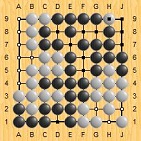

 ). Notice that on the lower side I have a marked white stone that simplifies the diagram, so I haven't actually solved the whole thing.
  it bigger than protecting after
  And I mean the bottom side ...!?! That's just kind of horrendous send 2 return 1 thing that could easily turn into a ko. I have no idea how to read that.
 I also used a 13x13 board instead of an 11x11 board, although the problem will fit a smaller board. Small secret:
 is a 2 point play by white, but if black plays it, he gets 2 points and a new 1 Point play is created. Following the logic I laid out in previous posts White should not capture immediately but instead play another 2 point play. Therefore black should first eliminate all 2-point moves before capturing. Now I left with two possibilities: Either the play at
  or
or  If my solution is even in the ballpark of correct I think this problem would be solvable by an 5k with extensive endgame experience in a reasonable time. I have now spent a total of about 40 minutes on this problem and I think I learned a little, time to check all the hide tags.
 ,
,  ,
,  were all the same size? And, in particular, that if Black takes at 7, the recapture is also the same size?